The dancer Pauline Clayden Gamble (1922-2026) and her roles
Pauline Clayden Gamble, a British ballerina who died on July 21 at age 103, was the last known surviving soloist of a cast that changed dance history - the renowned October 9, 1949, Sadler’s Wells Ballet opening-night cast of “The Sleeping Beauty” at New York’s Metropolitan Opera House. In the Prologue, Pauline Clayden was the fourth of the six fairy godmothers, the Fairy of the Songbirds. (She kept her maiden name onstage. By marriage, she had become Pauline Gamble offstage in 1948.)
That 1949 performance was not just a breakthrough for the international perception of British ballet. It also set a new bar for American ballet: the Sadler’s Wells Ballet – which in 1956 became what is still the Royal Ballet - was a knockout theatrical experience in terms of both vividly characterful dance acting and radiant classical style. At the end of the New York season, the critic John Martin wrote in the “New York Times”:
“It is doubtful if we have ever before seen in this country a company whose productions have been so meticulously prepared, so thoughtfully assembled, so beautifully rehearsed. Behind the performances themselves lies a school in which the greater part of the personnel has actually received its training and in which it still is trained from day to day. The unity of technical style, which makes the ensemble really an ensemble, is no accident.”<1>
Its prima ballerina, Margot Fonteyn, aged 30, went straight to the heart of the New York audience as the ballet’s heroine – but so did the company around her. Clayden - dancing one of her Fairy Godmothers, the Fairy of the Songbirds with an ebulliently characterful solo - was one of those other first-night ballerinas. The word “ballerina” is ambiguously used by ballet connoisseurs: in its original Italian, it means simply a female dancer, but it has often been used in Russian and English more snobbishly to convey layers of rare distinction. In that sense, Ninette de Valois, founding director of the Sadler’s Wells Ballet, said “I need all my ballerinas” as she prepared the supporting roles for that opening night<2>; and in that same élite sense Margot Fonteyn, making her American debut that night as Princess Aurora and flying to the hearts of New York’s audience, was hailed in print as “a ballerina among ballerinas”<3>. At both New York City Ballet, just one year old, and American Ballet Theatre (founded in 1940), dancers took inspiration from the British company, which soon became a beloved regular visitor to the American dance world until the 1970s.
On that opening night, the Prologue alone sufficed to assure the production’s triumph. In the succeeding intermission, Mayor O’Dwyer of New York congratulated Ninette de Valois, director of both the company and the production, by saying “You’re in, lady”<4>. (The Irish-born de Valois had to ask friends to translate his words into British.) All this happened even before the first entrance of Fonteyn – who went on to cap the Prologue with the greatest triumph of her career.
Most of that New York first cast, including Clayden, were caught on live film, at later American performances, by the balletomane-cineast Victor Jessen, who then edited the results into a complete record of the Sadler’s Wells “Sleeping Beauty.” This composite film may be seen at the New York Public Library.<5> The Fairy of the Songbirds has long been the most tiresomely cute of the godmothers, all one-note ingratiation, but among the many reasons to watch Victor Jessen’s composite live film of 1949-1956 performances by the Sadler’s Wells Ballet on its North American tours (New York Public Library for the Performing Arts) is its record of Clayden in this variation. She doesn’t wear the fixed smile with which subsequent interpreters have turned this solo into trite cuteness.<6> Instead, the character’s brightness is present in her dancing - which becomes all the more eloquently sparkling when unsmiling.
(Clayden was also caught on a 1955 American television studio film of “The Sleeping Beauty”. She dances one of Florestan’s two sisters, choreographed by Frederick Ashton to Tchaikovsky’s Jewel divertissement – she dances material adapted by Ashton in 1946 from Marius Petipa’s original 1890 Silver solo variation.<7>)
Pauline Elsie Clayden was born on October 12, 2022, in Lewisham, South East London. For both her parents, Frederick (Fred) and Ada Clayden, this was their second marriage, Pauline its only child; both had been widowed when they married. Her father, who worked for the Railway Clearing House, had had three sons - Frederick, Horace and Herbert – by his first marriage, her mother three children - Gordon Eric, Ethne and Doreen – by hers. Ada Clayden (née Taylor), a housewife, died when Pauline was 15.<8> There was no specialist dance knowledge in the family, so that, when Ada took the young Pauline to a ballet function and could identify such celebrities as Alicia Markova and Adeline Genee, Pauline was amazed.<9>
Her first dance school, in the Archway district of North London, put her on point “far too early” (as she laughingly recalled in 2004, speaking for the podcast Voices of British Ballet).<10> Fortunately for her, she was soon sent to the Cone-Ripman School, which quickly brought her off point until her feet were properly trained, and where she met her contemporary Joyce Farron - who was to use the stage name Julia Farron (1922-2019) and who remained Clayden’s lifelong friend. (Farron always addressed Clayden, affectionately, as “Claudie,” the name given to Clayden by the company after a young and naive child bride in a 1943 film “Claudia”.)
Around age 16, when Pauline was living with her father, she began to audition for the ballet company for operas at the Royal Opera House, Covent Garden. Its dances were by the important young choreographer Antony Tudor. Peggy van Praagh, who had spotted her among the Cone students, had recommended her to Tudor, who chose Clayden rather than some of the Cone teachers’ own favourites.<11> The conductor was Thomas Beecham; the singers were led by such international stars as Eva Turner and Beniamino Gigli. (On her hundredth birthday in 2022, Clayden still remembered how huge Turner’s voice was.) Other young dancers in the ensemble included the future actress Glynis Johns (1923-2024) and the future skater Belita (1923-2005).<12> Tudor, who would soon to move to New York, created a new dance for four women in “Aida,” with Clayden one of the quartet. As he watched Clayden, he told the other three, “That’s what I want!”<13>
The outbreak of the Second World War caused a ballet boom, with audiences welcoming its various kinds of spectacle even while bombs were dropping on the West End. Clayden joined the young London Ballet at the tiny Arts Theatre near Leicester Square, which became conflated with Ballet Rambert. This company gave hour-long performances named after various meals - Lunch Ballet was one Clayden remembered, with the audience eating their sandwiches - accompanied by 78 records. Clayden would recall one particular occasion when all twelve young women of the corps de ballet, dancing “Les Sylphides”, hearing overhead sounds associated with bombs, craned their necks amid the dance phrase, listening out for the explosion that they knew would arrive.<14>
In 1942, Clayden joined the Sadler’s Wells Ballet (also known as the Vic-Wells Ballet). When she went to see Ninette de Valois about joining the company, she found that de Valois remembered her from student work at the Royal Academy of Dancing in the 1930s. (She also remembered that Ashton in the 1930s had made, on R.A.D. students, dances that probably were his preparation for his 1936 ballet “Nocturne”.)<15> Once she was in the Wells company, her touching and vivid acting qualities won her the role of Ophelia, created by Robert Helpmann for Fonteyn in his “Hamlet” (1942). She then created the role of the Suicide in his “Miracle in the Gorbals” (1944), in which her immensely touching humanity made a lasting impression. (At first, he considered Fonteyn for the role, but then changed his mind. Fonteyn and he were the two busiest members of the company during the wartime years.)
In April 1943, she created roles for both Ashton in “The Quest” (a bat; later, she graduated to the role of Una, created by Fonteyn) and, that October, for de Valois in “Promenade”, a ballet that also featured the young Moira Shearer (1926-2006) and Beryl Grey (1927-2022), young women who were both to become major ballet stars after the War. (In August 2026, the Royal Ballet School posted footage of Clayden teaching sections of “Promenade” to students in 2005.<16>)
In 1944, she created the role of the Suicide in Robert Helpmann’s ballet “Miracle in the Gorbals”, a ballet that depicted miracles and religious conversions within the urban environment of modern Glasgow, with a commissioned score by Arthur Bliss and with designs by the painter Edward Burra. Helpmann, the company’s leading dancer - and partner to its leading ballerina, Margot Fonteyn - had been diversifying into acting and, during the War, choreography. His ballets – like his performances - tended to be stronger on acting, weaker on steps: though dividing opinion, they greatly excited their admirers. As the Suicide, Clayden’s character was resurrected by the Stranger, a Christ-like protagonist played by Helpmann himself. The ballet was performed every season until 1950. (Later revivals of it have had limited success.)
In 1946, the Sadler’s Wells Ballet took up residence at the Royal Opera House, Covent Garden. It was still only 15 years old: de Valois, its founder, was still its director; Ashton had been its resident choreographer since 1935; Constant Lambert was its music director and master conductor. Hitherto, the ballet traditions of this imposing Victorian theatre had largely belonged to visiting Russian ballet companies. Now, however, the Sadler’s Wells troupe commenced its Covent Garden tenure with a new production of the Russian ballet, “The Sleeping Beauty” (1890), with its score by Tchaikovsky and choreography by Marius Petipa.
The company had first danced this ballet in 1939, with Diaghilev’s 1921 name of “The Sleeping Princess”, at Sadler’s Wells, in a production by the regisseur Nicholas Sergueyev with designs by Nadia Benois that disappointed many. When the 1939 production was only a month old, the company danced a prestigious gala State Performance of Acts I and III at Covent Garden, with Thomas Beecham conducting, in the presence of the President of France, with the nineteen-year-old Fonteyn as Aurora. It may have been the success of this that gave de Valois, Ashton, and Lambert the idea of opening their 1946 season with a new production, now named “The Sleeping Beauty,” based on Sergueyev’s 1939 version but also departing from it in some details. De Valois supervised; Ashton choreographed and (a particular talent of his) coached; Lambert conducted; Fonteyn, now twenty-six years old, was the prima ballerina and first-cast Princess Aurora. This “Sleeping Beauty” production, given classic designs by Oliver Messel, became the company’s signature work. Clayden was the first to dance the Songbirds Fairy at Covent Garden: she continued to do so at innumerable performances.<17>
In Covent Garden performances of de Valois’s 1935 “The Rake’s Progress” – based on Hogarth’s series of eight paintings - Clayden began to dance the Betrayed Girl with qualities of pathos that made a great impression. (De Valois had created the role for the ballerina Alicia Markova, but later admitted that it never suited that too-refined prima.)<18>
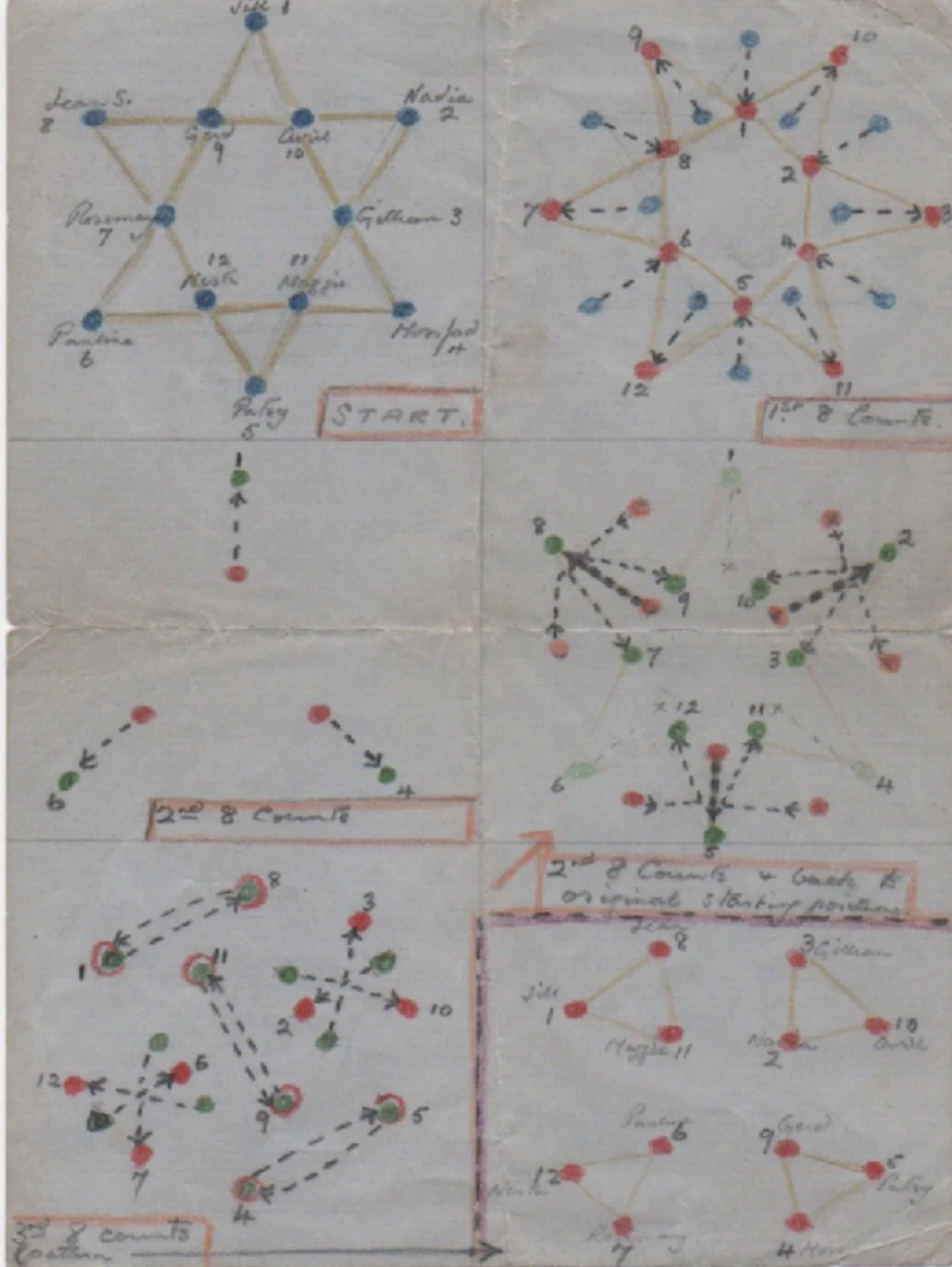
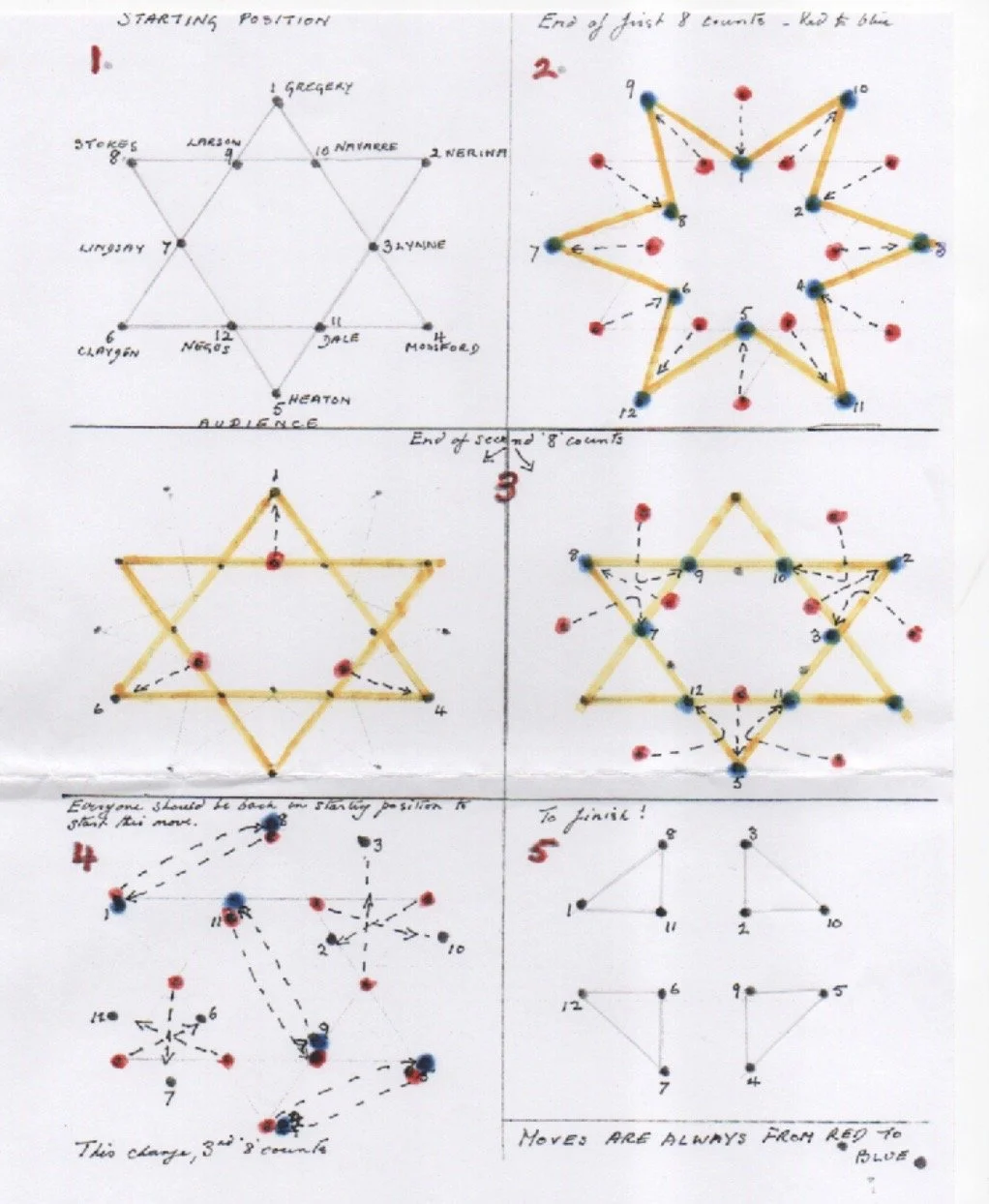
Clayden now became a favourite dancer of Ashton, the house choreographer, who had been in the armed forces for much of the War years. Between 1946 and 1955, she played supporting roles in the premieres of seven of his ballets: she was a child in “Les Sirènes” (to a new score by Lord Berners), “Scènes de ballet”, “Cinderella”, “Tiresias”, “Sylvia”, “Homage to the Queen”, and “Madame Chrysanthème”. For “Scènes de ballet” (1948), the ballet of which he became enduringly most proud, Ashton interested himself in complex Euclidean geometry. Clayden made beautifully coloured diagrams of the intricate changes of stage position involved, diagrams she generously shared with scholars over fifty years later.<19>
In particular, she danced Fairy Autumn in the premiere of his three-act “Cinderella” (1948) - a role and a ballet still in international repertory today. (Ashton, needing to work fast on his first full-length creation, created the difficult Autumn solo, with its rapid pirouettes danced off-kilter, one day on Pamela May when Clayden was not available, but perfectly judging Clayden’s capacity. May, who never danced Autumn onstage, and Clayden were both happy to relate this over fifty years later; May, a yet more experienced Ashton dancer, created the role of the Fairy Godmother.)<20>
On 31 July, 1948, Clayden married Major Howard John Gamble (known as John). They had been friends since childhood in Highgate, north London; he had risen to the ranks of major during the War while with the Second Gurkha Rifles Regiment. He, a medical student at St Mary’s Hospital at the time of their marriage, became a Professor of Neuroanatomy who taught medical students at St Mary’s and St Thomas’s Hospitals in London. (He also conducted and published research in this field.)<21>
Clayden’s career not only included frequent London performances but extensive foreign touring. The Sadler’s Wells Ballet toured many European countries with great success in 1944-1949 - but the triumph it enjoyed in New York and North America in 1949 was on another level. The company became America’s favourite foreign ballet company for many years. It went on to revisit New York and North America on biennial or even annual tours through the 1950s and 1960s, sometimes lasting five months, some coast-to-coast, always starting at the New York Met, often travelling by train through the night.
Soon, it became better known, and more highly regarded, in many American cities than any American company; and its New York seasons exemplified qualities of excellence that would inspire and challenge the young companies American Ballet Theatre and, especially, New York City Ballet.<22> Thanks to the ballet economics of those days, the company’s second tour of North America, lasting five months, brought in so much revenue to the United Kingdom that it was congratulated by Stafford Cripps, the departing Minister for Economic Affairs.<23> Clayden - sometimes dancing leading roles, sometimes in ensembles - was in the first four of those tours.
American success changed the company. Choreography by de Valois and Helpmann fell out of favour. When Helpmann’s “Miracle in the Gorbals” opened in New York in 1949, in a programme of British choreography, Lincoln Kirstein, co-founder of New York City Ballet, wrote to the British dance critic, “The ‘Gorbals’ program. Oh mother. Well, all is forgiven – but never do it again.”<24> Although de Valois, who directed the company until 1963, officially took pride in its American success, she wrote in a private 1950 letter to her old colleague Joy Newton “…how I hate hate hate America.”<25> Ashton, by contrast, loved America, where his choreography had its greatest successes.
Ashton and the Russian-American choreographer George Balanchine had admired each other’s work since the early 1930s. Now they had become the world’s two foremost classical-ballet choreographers. Both worked for each other’s company in the early 1950s: when Balanchine staged his 1941 masterpiece “Ballet Imperial” on the Covent Garden company, he cast Clayden and Nadia Nerina as the two demi-soloists. Clayden danced her role at many performances until at least 1954.<26>
Clayden had qualities of vulnerability, rapture, and youthfulness that made her an ideal second-cast to Fonteyn for several of the roles Ashton had made on the latter: notably Chloë in “Daphnis and Chloë” (1951). Although Fonteyn, now the most celebrated ballerina in the West, often seemed tireless, she actually was obliged to remain offstage for two different five-month periods (the first, in late 1951, with a foot injury, the second, in 1952-1953, for diphtheria).
In the 1970s and 1980s, Ashton would say that he couldn’t see Daphnis without remembering Fonteyn’s Chloë (despite having cast Antoinette Sibley and Merle Park in the role himself) - but that wasn’t how he spoke in the 1950s. Clayden danced Chloë many times during Fonteyn’s 1951 and 1952-1953 absences; Ashton once told the “New York Times” critic John Martin that, although otherwise he always missed Fonteyn whenever someone else danced roles he had made for her, Clayden’s Chloë was the great exception.<27>
In Ashton’s “Tiresias” (1951), Clayden and Brian Shaw danced a pair of copulating snakes; in his three-act “Sylvia” (1952), a work often danced this century by several international ballet companies, they danced a pair of goats. Clayden once gave Ashton a list of the menagerie of all the animal roles in her repertory: a cat (“Adam Zero”), the fairy of the songbirds (“The Sleeping Beauty”), several other different birds (including a nightingale, in “The Birds”), a dog (Pépé in “A Wedding Bouquet”), a poodle (“La Boutique fantasque”), a snake (“Tiresias”), a mayfly (“Le Festin”), a butterfly (“Carnaval”)— and that goat. Ashton laughed happily: He had choreographed several of those fauna himself.<28> “She used to research them!” her great and longterm friend Julia Farron remarked in their old age, again with laughter. (Clayden seems to have omitted from her list the Bat role she had created in the 1942 premiere of Ashton’s “The Quest”.)
Ashton’s “Tiresias” was a grand study in aspects of the cruelty of ancient Greek culture; Clayden and Shaw were the two snakes whose couplings (see Ovid’s “Metamorphoses”) have a transfiguring effect on Tiresias when he beholds them. Seeing them the first time, he is transfigured into a woman (Fonteyn was the female Tiresias). Years later, seeing snakes copulating again, he is turned back into a man (John Field). So, when the Olympian gods Zeus and Hera (Jupiter and Juno) are arguing about Zeus’s many adulteries and, in consequence, whether women derive more pleasure from sex than men (as Zeus claims), Tiresias is the only person qualified to comment from personal experience. Tiresias concurs with Zeus - women enjoy it more. In rage, Hera strikes him blind; but Zeus gives him the compensatory gift of prophecy - second sight. (It is not recorded whether the female snake enjoyed sex more than the male of the species, or even if either snake enjoyed it at all.) There are several studio photographs of these important snake duets.<29>
Ashton also took Clayden seriously as a human. In 1953, he coached her in the title role of the 19th-century ballet “Giselle.”<30> Then, as now, many in dance considered Giselle the ultimate ballerina role, with its wide arc of emotion and its intense amalgam of acting and dancing. This was the only full-length ballet in which Clayden danced the heroine.<31>
In the States, Clayden was admired but not idolised. On the 1953-1954 tour, she was due to dance some performances of one of the most prestigious and recent roles created by Ashton for Fonteyn, Queen of the Air in “Homage to the Queen”, made for the 1953 Coronation season at Covent Garden. Before one Saturday-night performance, a Seattle audience let it be known that they expected to see the world’s most famous ballerina instead of Clayden. Clayden, dancing a junior role instead, arrived at her dressing room that evening with conflicting feelings of relief and disappointment. Waiting for her, however, was a present from Fonteyn: a bottle of Arpège perfume. (Decades later, Clayden related this tale with nothing but admiration and gratitude for Fonteyn’s grace of spirit.)<32>
Finding herself pregnant in 1954, Clayden briefly left the company. After suffering a miscarriage, however, she returned to the stage (dancing the company’s fourth tour of America). There were at least two miscarriages before her 1956 pregnancy proved successful: with this pregnancy, she left the company, giving birth to a daughter, Amanda. Later, she had a second child, a son, Roger.
In later years, she taught dance in Purley, then newly incorporated into Greater London.<33> She continued to visit the ballet now and then: in 1999, she spoke with awe of having watched Fonteyn, in her mid-forties, embodying the quintessence of youthfulness and poetry as Juliet.<34>
In 1984, she and her husband retired to Devon, in Western England. On visiting London from Devon, she tended to stay with Farron and Farron’s husband Alfred Rodrigues; I met her there more than once in the 1990s. She returned to the Royal Ballet to coach several of the Fonteyn-Ashton roles she had danced, notably those in “Nocturne”, “Daphnis and Chloë”, and “Homage to the Queen”; like her old friends and colleagues Pamela May, Julia Farron, and Jean Bedells, she contributed to the Royal Academy of Dance’s 1999 conference, “The Fonteyn Phenomenon” and other events paying tribute to the history of the Vic-Wells, Sadler’s Wells, and/or Royal Ballet. (At “The Fonteyn Phenomenon”, when Jamie Tapper, coached by Monica Mason, demonstrated the pizzicato solo from “Sylvia”, Clayden’s immediate response was “Fred would have loved her!”<35> She was too courteous to make a public issue of changes made to the two solos for Chloë; instead, she only complimented the exquisite dancing of Sarah Wildor and coaching of Antoinette Sibley. Still, live film of Fonteyn c.1958 supports Clayden’s contention - those solos have been subtly changed in an important couple of details.)
Her husband died in 1999. Clayden continued to visit London and other cities for various ballet functions, joining her old friend Farron. On one occasion, the two women, now in their eighties, shared a hotel room as they changed outfits. Bending over and finding themselves hard pressed to change their tights or some other clothing, they became helpless with giggles.<36> Dancers all around the world love to laugh, but it’s fair to claim that laughter has played a greater part in the company history of the Sadler’s Wells Ballet and Royal Ballet than of any other troupe.
When the Birmingham Royal Ballet revived Ashton’s “Dante Sonata” in 2000, she worked with her old colleagues May and Jean Bedells to recapture the feeling of this lost work. Although Bedells was known as Miss Memory<37> when it came to steps, no ballet consists of steps alone, and “Dante Sonata” (a barefoot ballet danced with maximum intensity in the dark days of the Second World War) less than most: May and Clayden happily urged the Birmingham dancers into a fervour that connected movement into potent phrases and surging waves. Clayden also coached students in roles made on her by de Valois (“Promenade” in 2004) and Helpmann (“Miracle in the Gorbals” in 2014).
She is survived by her two children, Amanda Fisher and Roger Gamble, both of whom were with her when she died; by her son-in-law Andrew Fisher; by five grandchildren (Ben, Hannah, Tim, Kirsten, Tom); and by four great-grandchildren (Freya, Miles, Sydney, Jude). Among the papers and photographs she left from her career - and the coloured diagrams she had made of the corps geometries for “Scènes de ballet” - were letters written to her by de Valois, Michael Somes, and Ashton on her 1956 departure from the company. Ashton’s very warm and affectionate letter mentions her Giselle. Even though he himself had played the role of Hilarion (not a role he enjoyed) to the Giselles of Olga Spessivtseva, Alicia Markova, and Fonteyn, he nonetheless recalled Clayden’s Giselle in high terms.
“I… really… am so grateful to you, for all the lovely things you did for me, apart from the many animals! Always with such sensitive artistic understanding & a complete absorption in your parts which were quite unique. I also thought your Giselle amongst the best I have seen. I miss you all the time. Who else could have replaced Margot with such tact? Apart from being such an excellent artist you are also such a wonderful human being. I do hope you will find just rewards in your retirement for all the good work you did in the theatre. Do keep in touch always please.”<38>
@Alastair Macaulay, 2026
--
NOTES
1.John Martin, “New York Times,” quoted by Zoë Anderson in her 2005 history The Royal Ballet – the first 75 years.
2.Pamela May had danced a Prologue fairy godmother in 1939; but by the time of the 1946 production danced many performances of Aurora until 1948. She often recalled, in 1996-1999 conversations, how Ninette de Valois, preparing casting for the 1949 New York opening night, returned her to dance the second fairy, with those words: “I need all my ballerinas.”
3.Quoted in Keith Money, “Fonteyn: the Making of a Legend”.
4. Mary Clarke, “The Sadler’s Wells Ballet”, 1956.
5. I have seen it often. It was filmed between 1949 and 1956.
6. I am grateful to my colleague Robert Greskovic by drawing this to my attention.
7. The “New York Times” online obituary was accompanied by some footage of Clayden dancing this Florestan “Silver” sister in this 1955 film.
8.Information from Amanda Fisher, Clayden’s eldest child and daughter, in August 2026.
9. Clayden, interviewed in 2004, in a “Voices of British Ballet’ podcast released in 2025
10..Ibid.
11.Clayden’s friend Jon Sills videotaped Clayden speaking on her hundredth birthday and sent it to me then.
12. “Voices of British Ballet” interview podcast: see abovc.
13. Clayden speaking to Sills. See 7.
14.“Voices of British Ballet” podcast: see above.
15. Clayden speaking to Sills. See 7.
16. royalballetschool, Instagram video, August 2, 2026
17.The “Covent Garden database” website, www.rohcollections.org.uk, lists multiple casts for the “Sleeping Beauty” in 1946-1954. Clayden dances the role at all mentioned performances but one during those years.
18. The ballet teacher Richard Glasstone told me around 2000 that de Valois had told him that Markova, despite creating the role, had been all wrong for it. (It is worth stressing this, as the critic Peter Williams, editor of “Dance and Dancers,” liked to recall that Markova had been unsurpassed in the role.) Clayden treasured a 1947 review that described the perfection of her interpretation.
19. I have published Clayden’s coloured diagrams on Facebook and Instagram. My thanks for them to Amanda Fisher.
20.Both May and Clayden spoke to me of this in 1997-1999.
21.Information from Amanda Fisher in August 2026.
22.Although Kirstein and others later told recalled events differently, his 1933 handwritten diaries reveal that it was Ashton who had first introduced him, Kirstein, to Balanchine. The same diaries also show – fleetingly - Balanchine referred to Ashton as the choreographer he most admired. Tina Sutton’s important 2013 biography, “The Making of Markova”, quotes an undated letter to Markova from Ashton, writing probably between 1944 and 1946, in which he says that the choreographer whose work he most longed to see now was Balanchine.
Julie Kavanagh, in her Secret Musesbiography of Ashton (1996), records how, after the Sadler’s Wells Ballet’s Metropolitan Opera triumph, Kirstein and Balanchine recognised shared ideals with de Valois and Ashton. In consequence, Ashton was commissioned to make two new works for New York City Ballet, “Illuminations” 1950) and “Picnic at Tintagel” (1952), while Balanchine, in 1950, staged his 1941 creation “Ballet Imperial” for the Sadler’s Wells Ballet at Covent Garden and created “Trumpet Concerto” for the Sadler’s Wells Theatre Ballet.
23.Zoë Anderson, The Royal Ballet, the first 75 years. Anderson also supplied supplementary information about this in 2026.
24.Richard Buckle, “Adventures of a Ballet Critic”, 1953.
25. Letter from de Valois (writing from San Francisco) to Joy Newton, 1951. Letter in collection of Royal Ballet School archives.
26. See the Covent Garden Database website www.rohcollections.org.uk .
27. Clayden jn 1999.
28. Clayden spoke in 1999 of telling Ashton of this menagerie. After her death, her daughter Amanda Fisher shared with me her list of those animal and bird roles.
29. There are multiple studio photographs of Clayden and Shaw in these important snake duets.
30.Clayden, speaking on her hundredth birthday to Jon Sills, spoke with pride of having been coached by Ashton as Giselle. It is not known that he had ever coached any earlier ballerinas in the role.
31.Amanda Fisher kindly gave me an email copy of the letter written to Clayden by Ashton on her departure from the company.
32. Clayden, speaking at “The Fonteyn Phenomenon”, 1999.
33. Amanda Fisher and Jon Sills were both generous with information about Clayden’s later years.
34. Clayden, speaking at “The Fonteyn Phenomenon”, 1999.
35.Clayden said this quietly to me as she watched.
36.Farron told me this around 2014.
37.The critic-historian Mary Clarke referred to Bedells by this nickname to me in 1999.
38.Letter from Ashton (signing himself “Fred”) to “Dearest Clayden”, 1956. My thanks to Amanda Fisher for sending me a transcription of this letter.
--
Alastair Macaulay
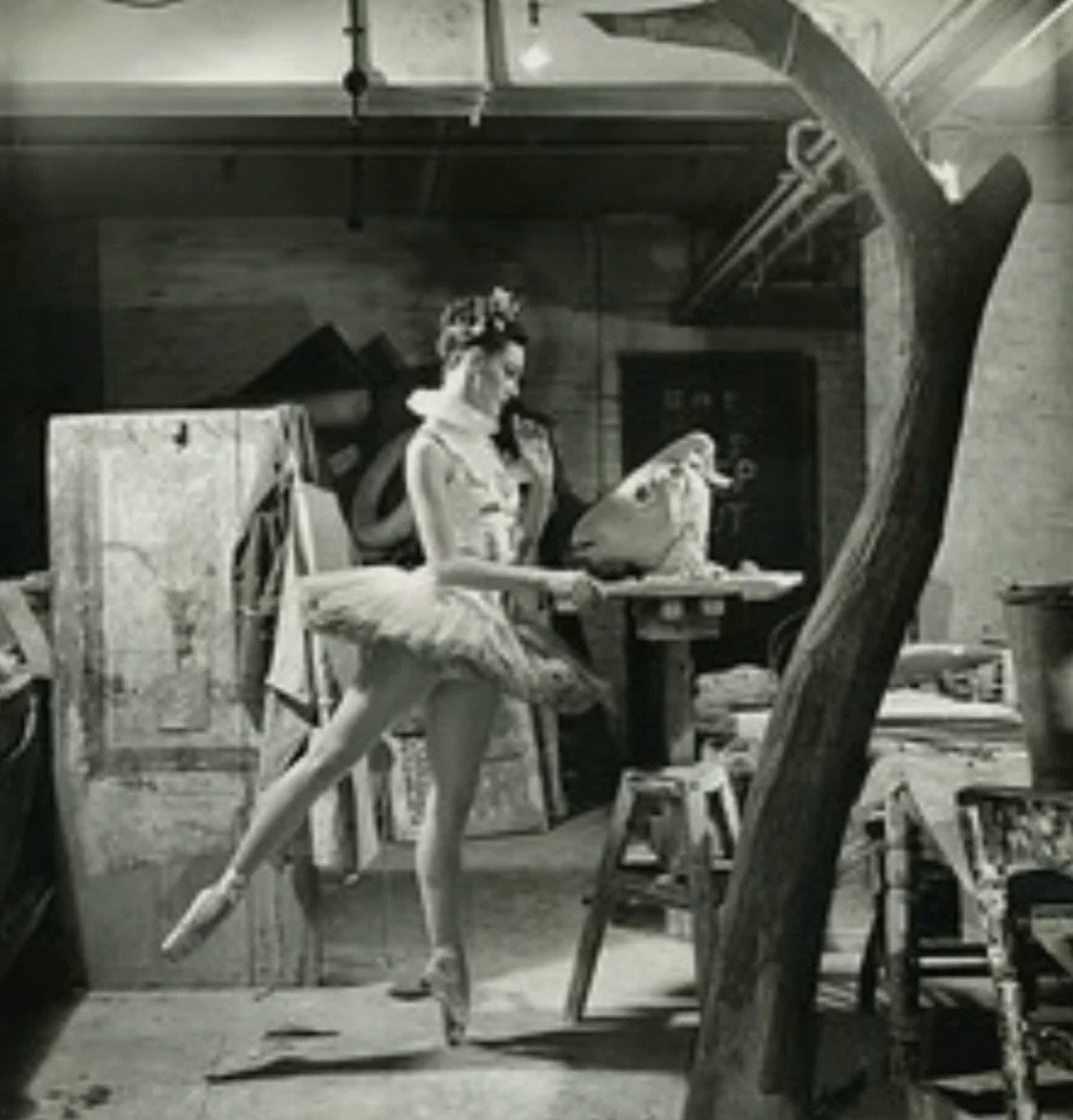
This backstage photograph by Roger Wood shows Clayton (on point in arabesque) in costume (designed by Oliver Messel) as one of Florestan’s two sisters - characters who appear in Act Three of “The Sleeping Beauty”. The “Messel” production, as it became known, was new in 1946, opening the Sadler’s Wells residency at Covent Garden. Although Clayden did not create the “Silver” variation of Ashton’s pas de trois for Florestan and his sisters - itself Ashton’s solo arrangement of a unison trio in Petipa’s “Jewels” pas de quatre - she danced it for many years.
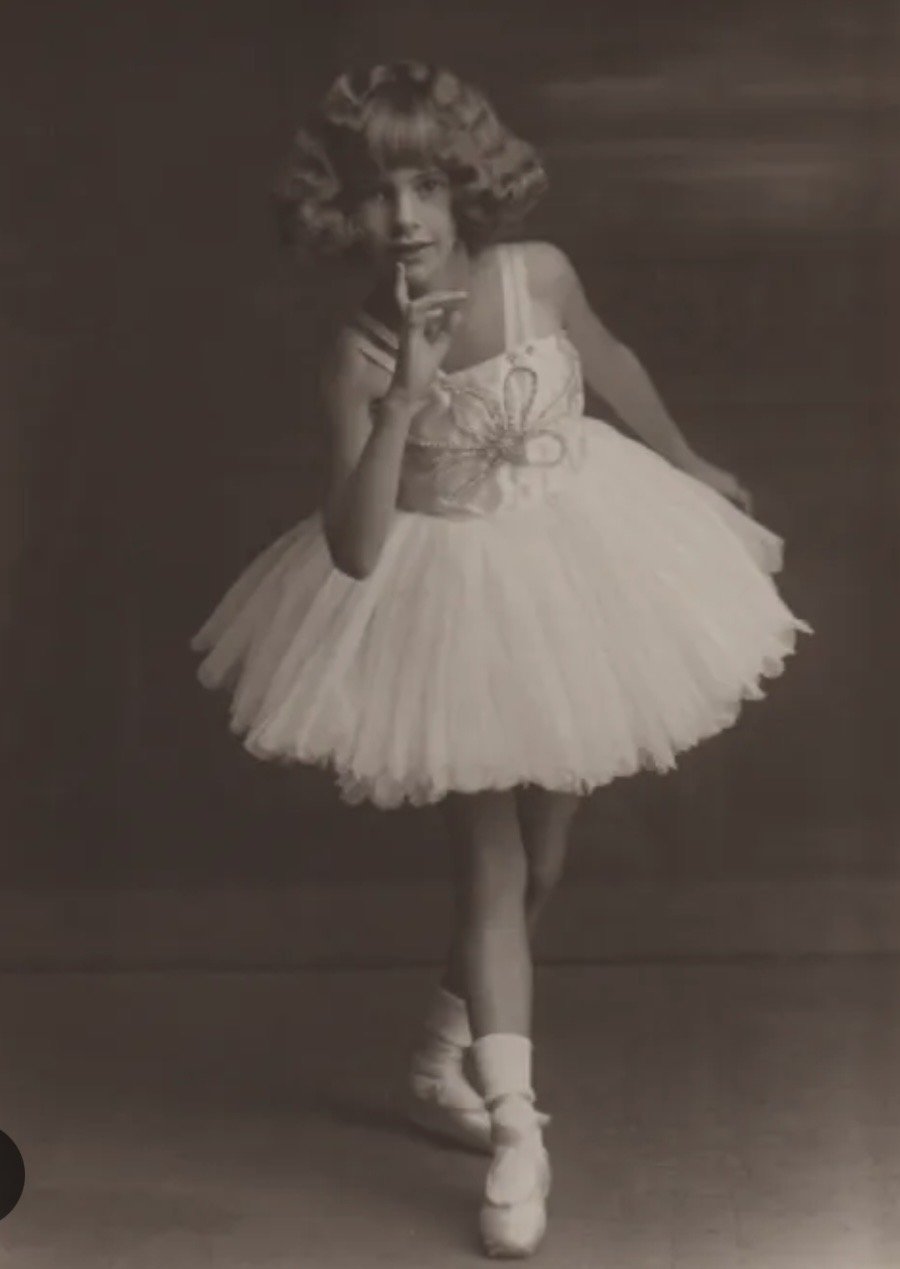
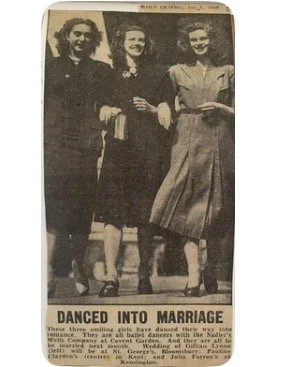
The young Pauline Clayden in ballet attire.
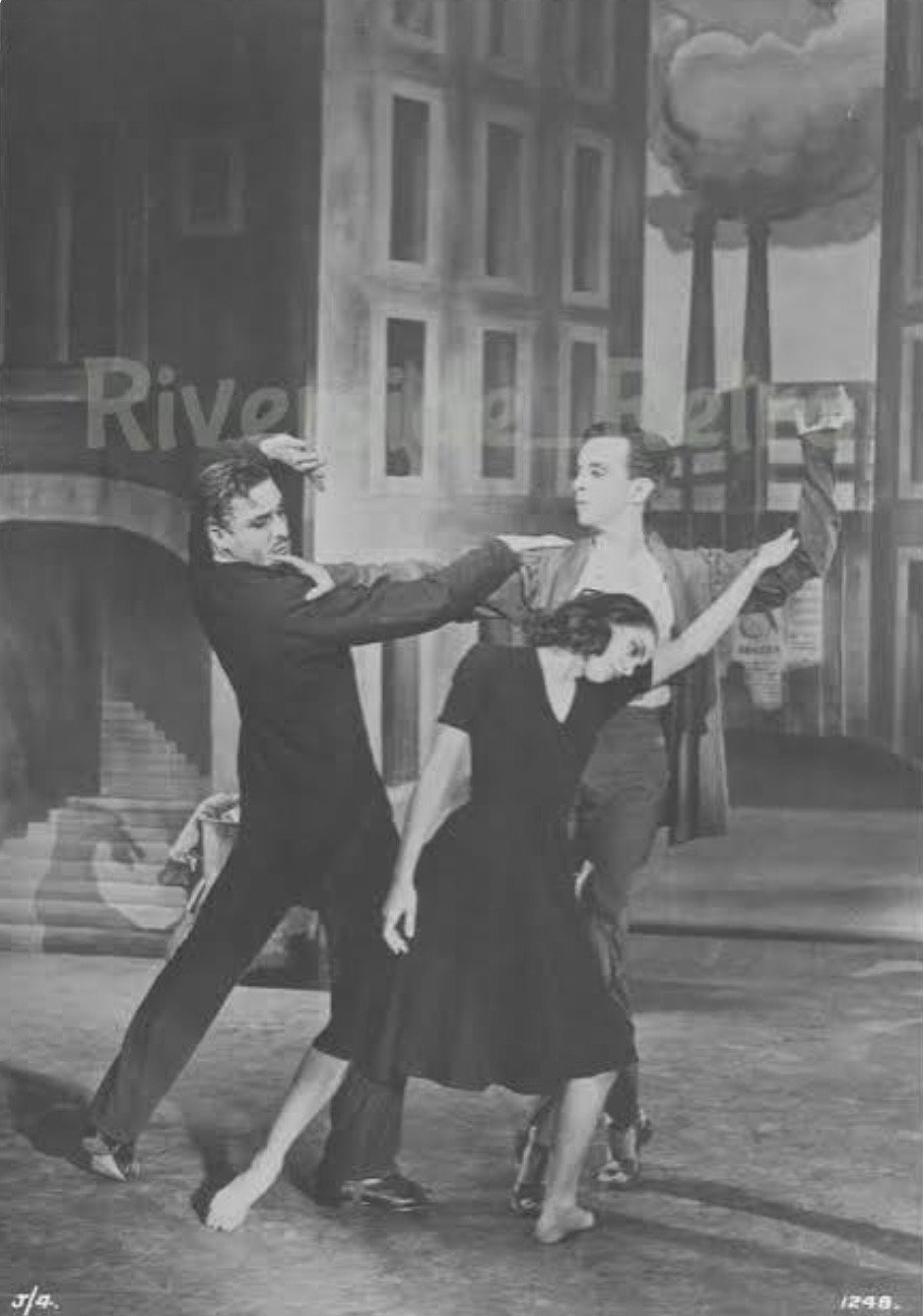
3, 4. Clayden as the Suicide in Robert Helpmann’s “Miracle in the Gorbals”, with Helpmann as the Stranger and David Paltenghi as the Official.
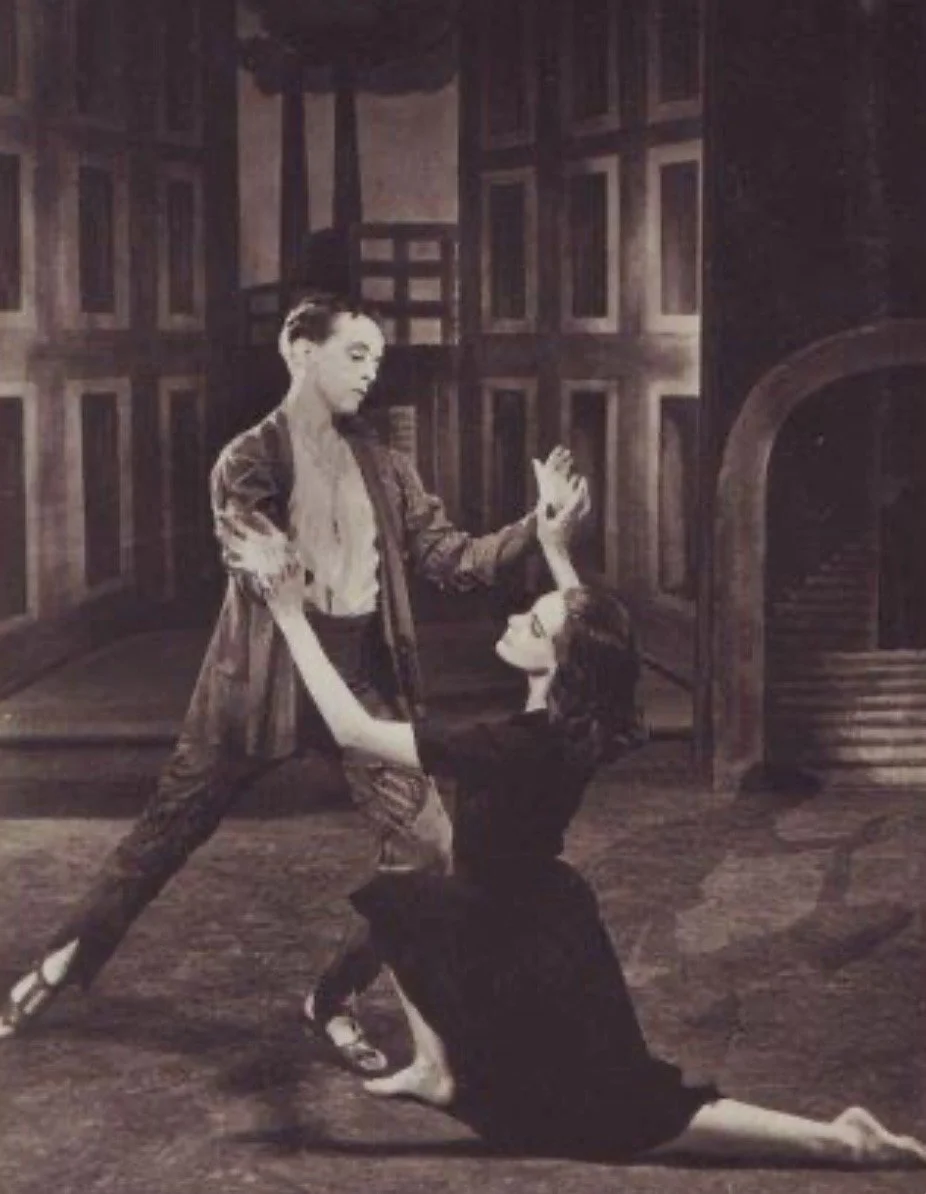
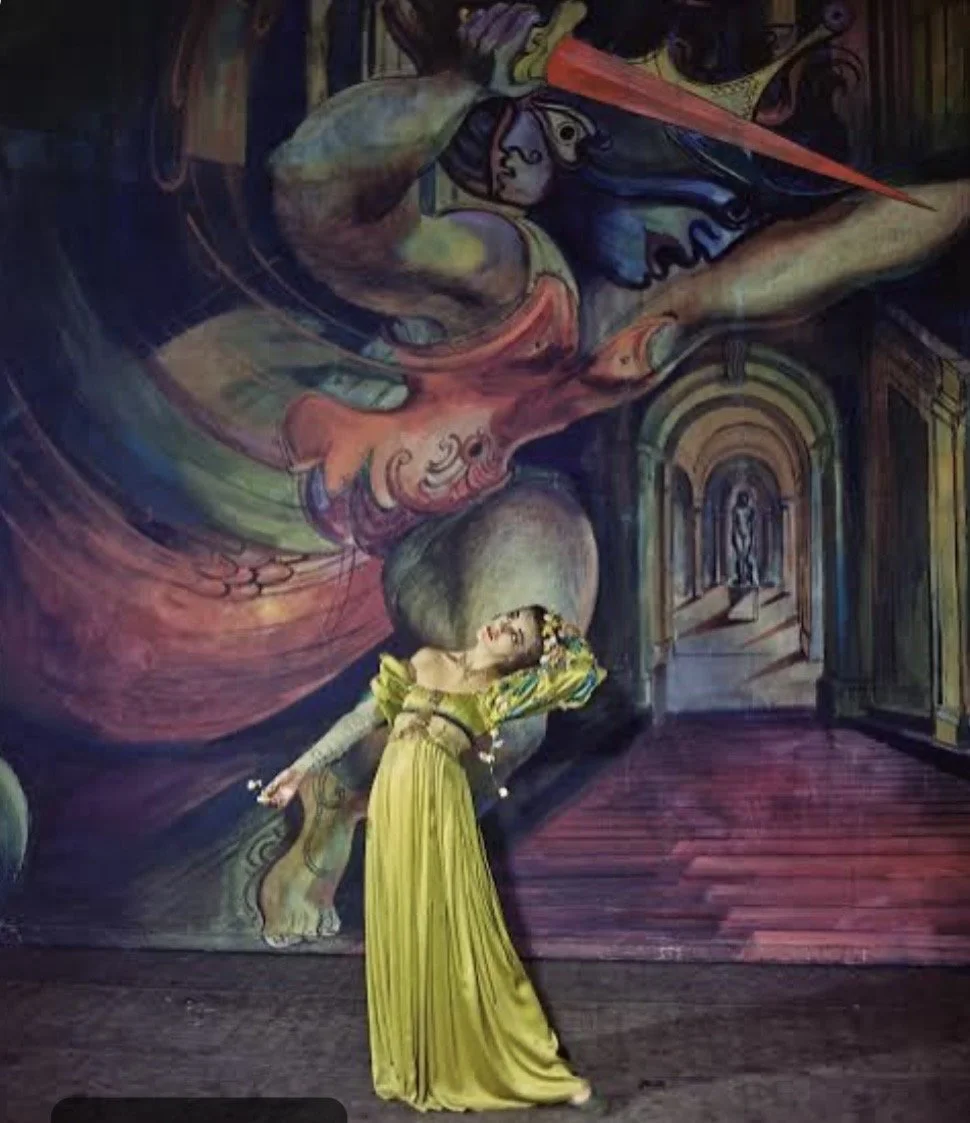
Clayden as Ophelia (a role created on Margot Fonteyn) in Helpmann’s “Hamlet” (1942).
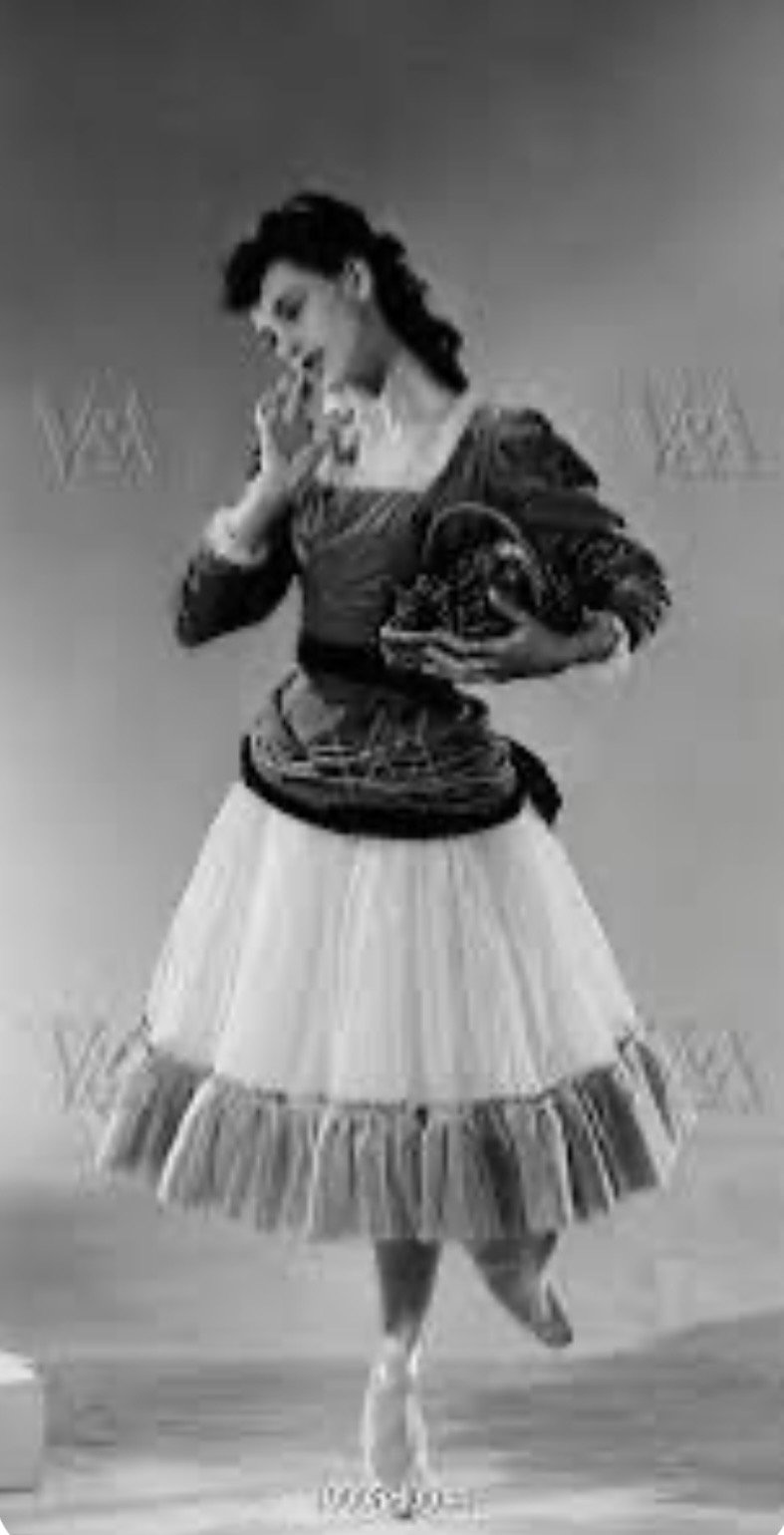
Clayden as the Young Girl (a role created on Margot Fonteyn) in Frederick Ashton’s “Nocturne” (1936).
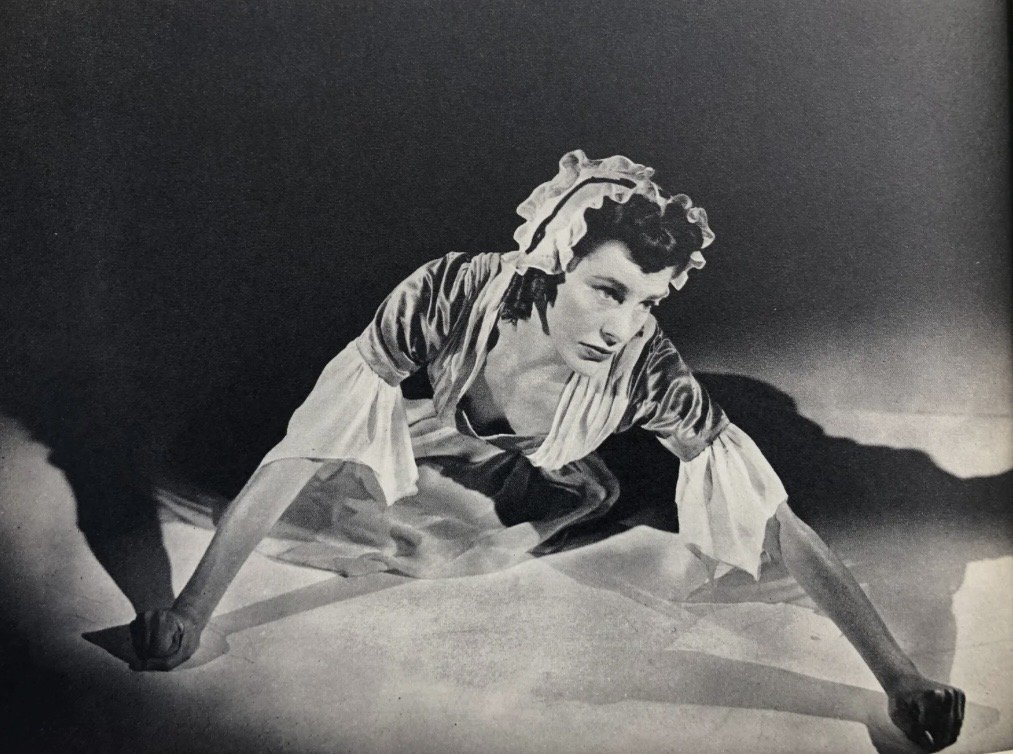
7, 8. Clayden as the Betrayed Girl in Ninette de Valois’s 1935 ballet “The Rake’s Progress”
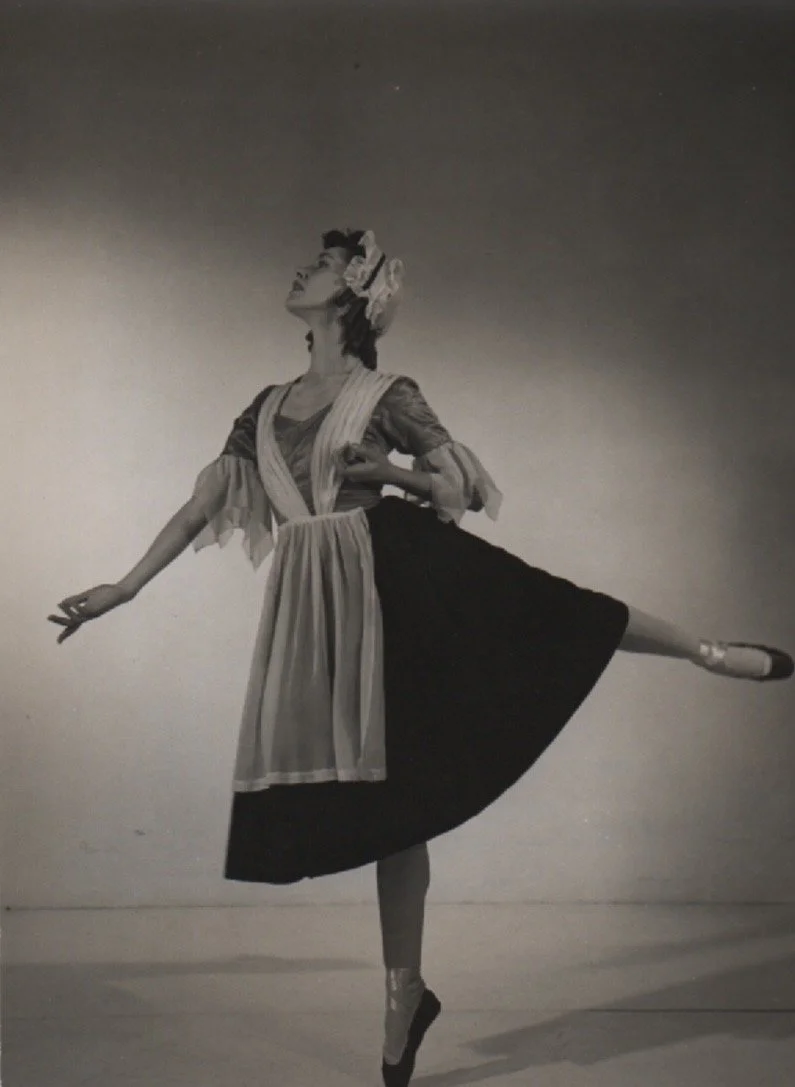
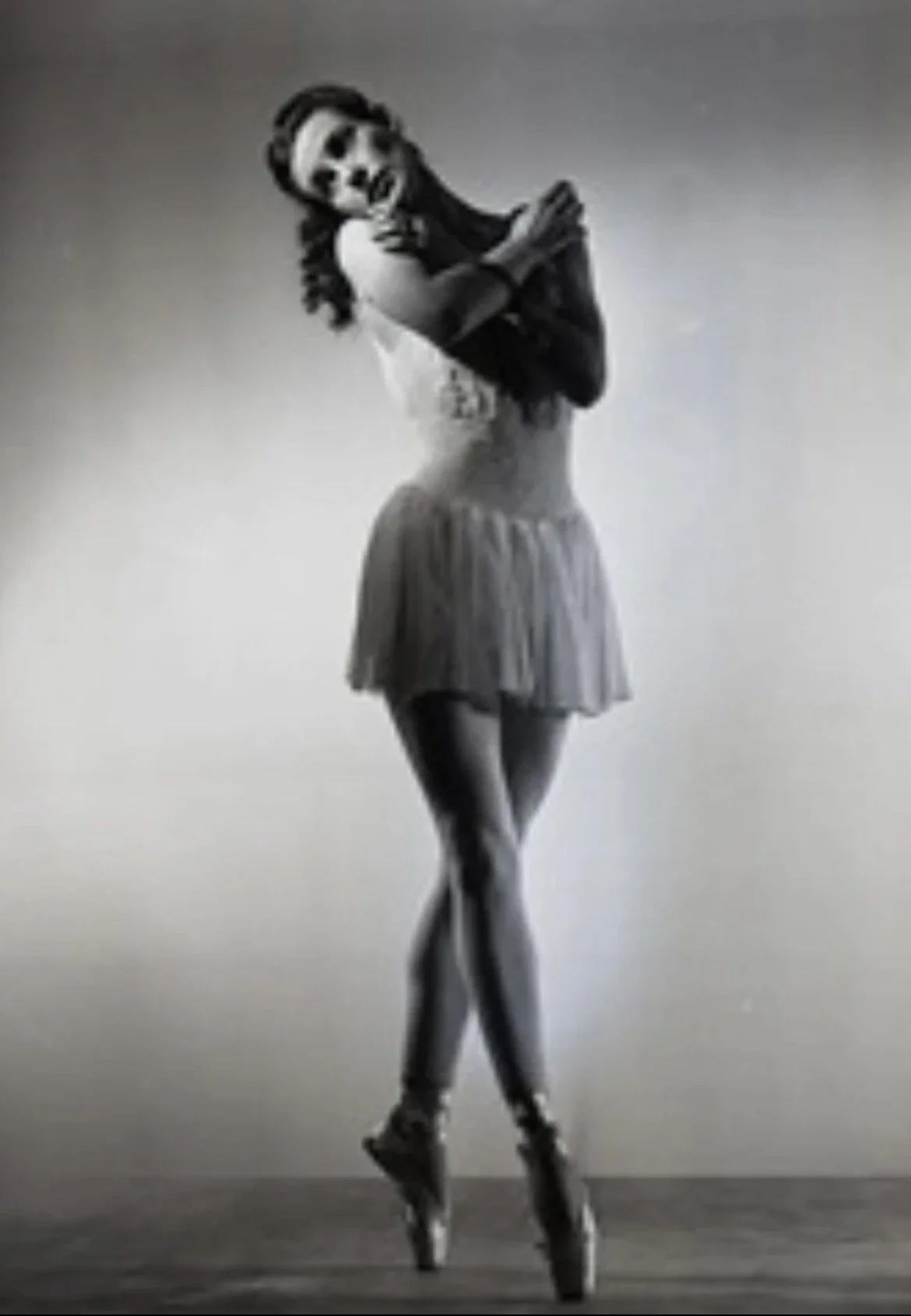
Ashton created the role of Chloë in his 1951 “Daphnis and Chloë” for Fonteyn. It became one of her most personal roles, for some her greatest role of all, above all in the flute solo in the third and final scene. But Fonteyn was absent from the stage for two five-month periods in 1951 (with a foot injury) and in 1952-1953 (with diphtheria). Of all the many Fonteyn roles that Clayden danced during her career, Chloë was the one in which she made the most lasting impression. Not only did Ashton tell the critic John Martin that Chloë was the one role in which he did not miss Fonteyn when Clayden danced it, but other observers still were recalling Clayden’s poetic and distinctive impression in the 1980s. Photograph 8 shows Clayden in the solo danced by Chloë in the second scene when she is in captivity.
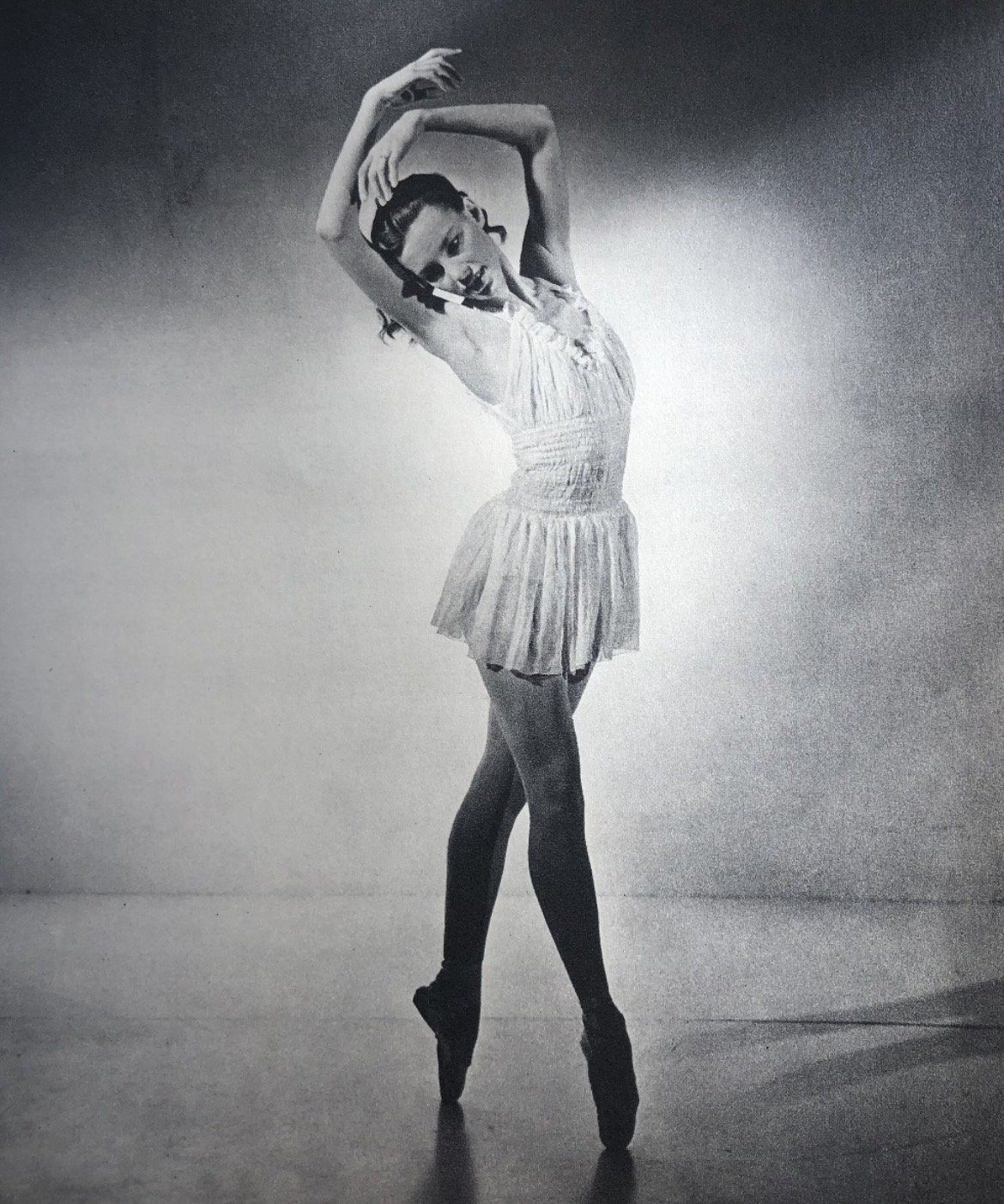
10, 11, 12. These two photographs show Clayden as Chloë in the flute solo in the ballet’s final scene.
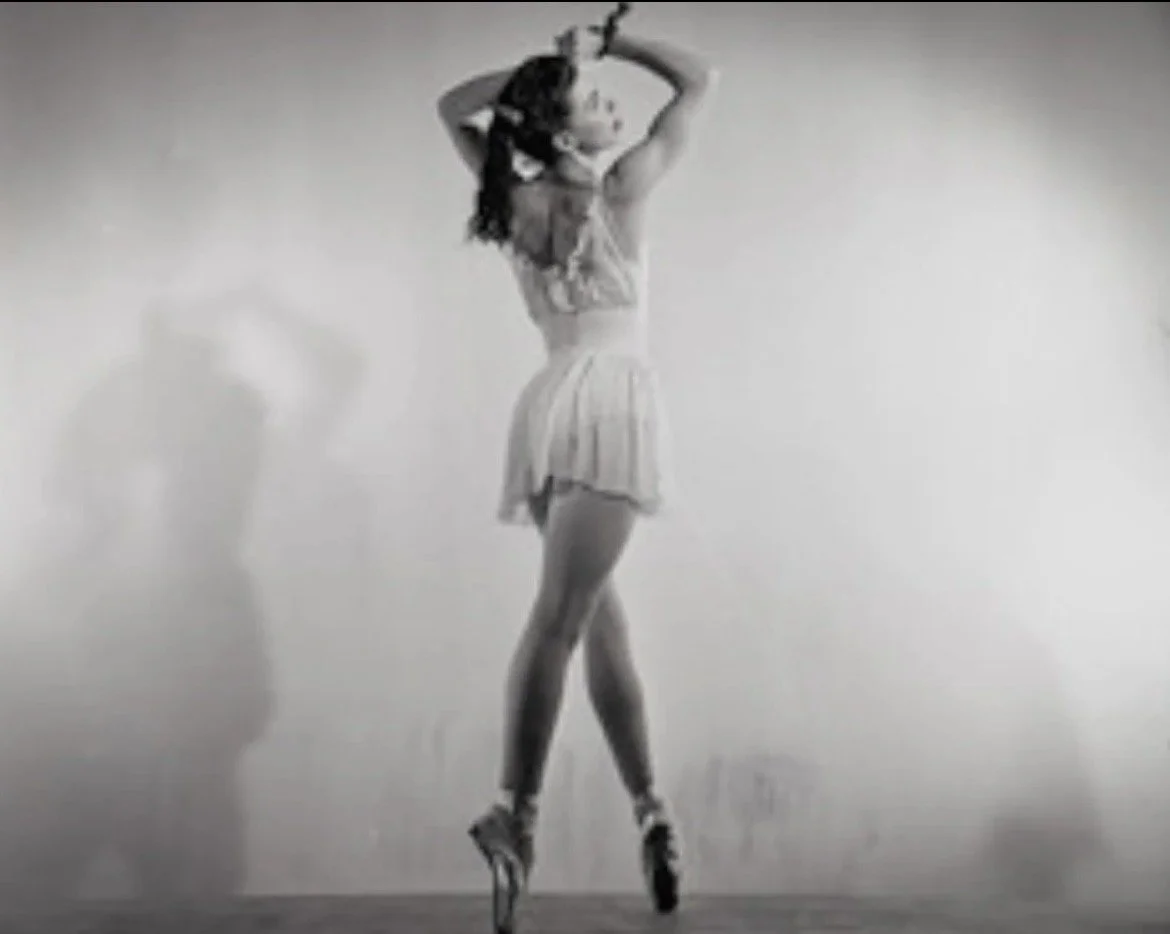
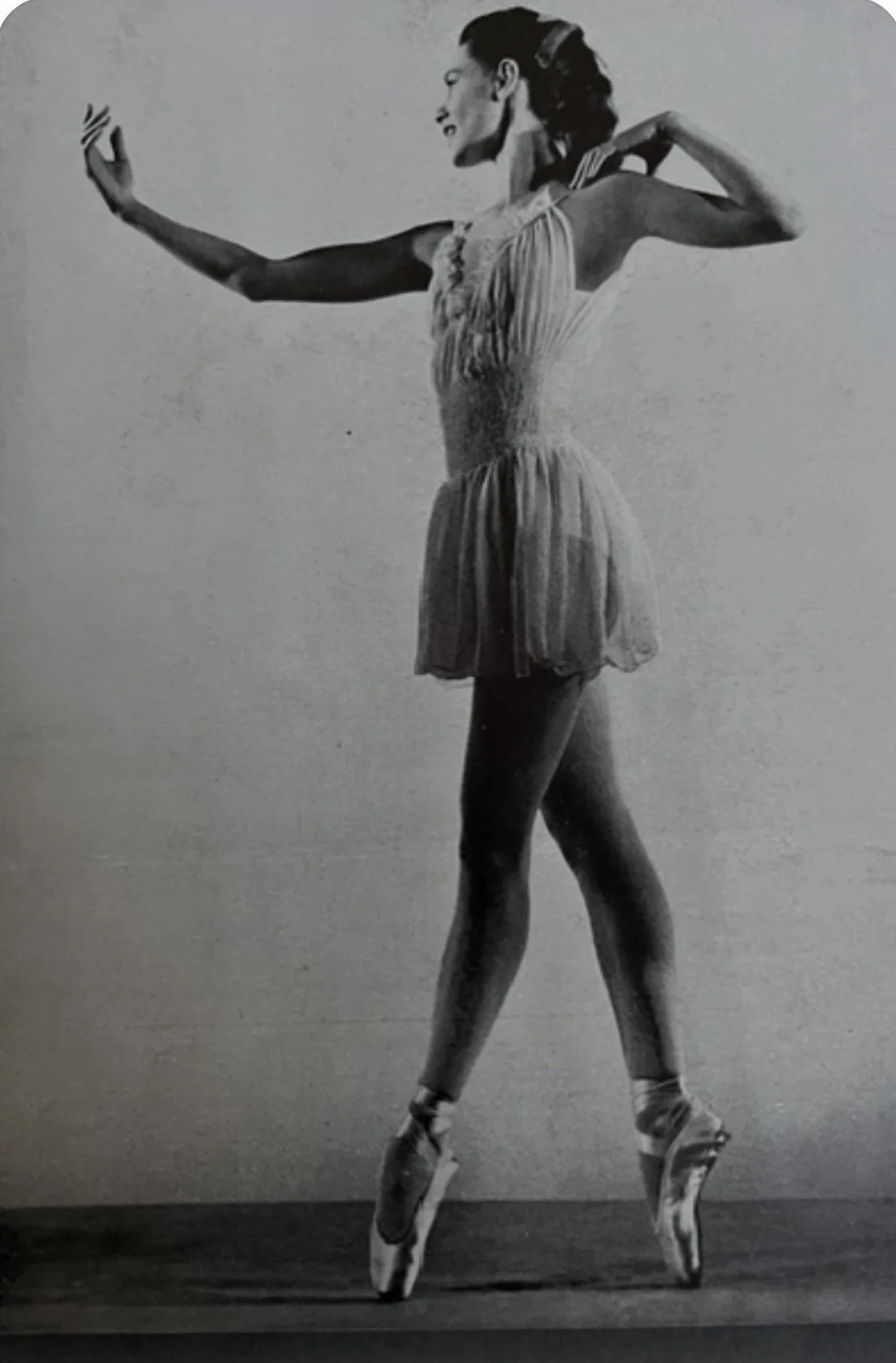
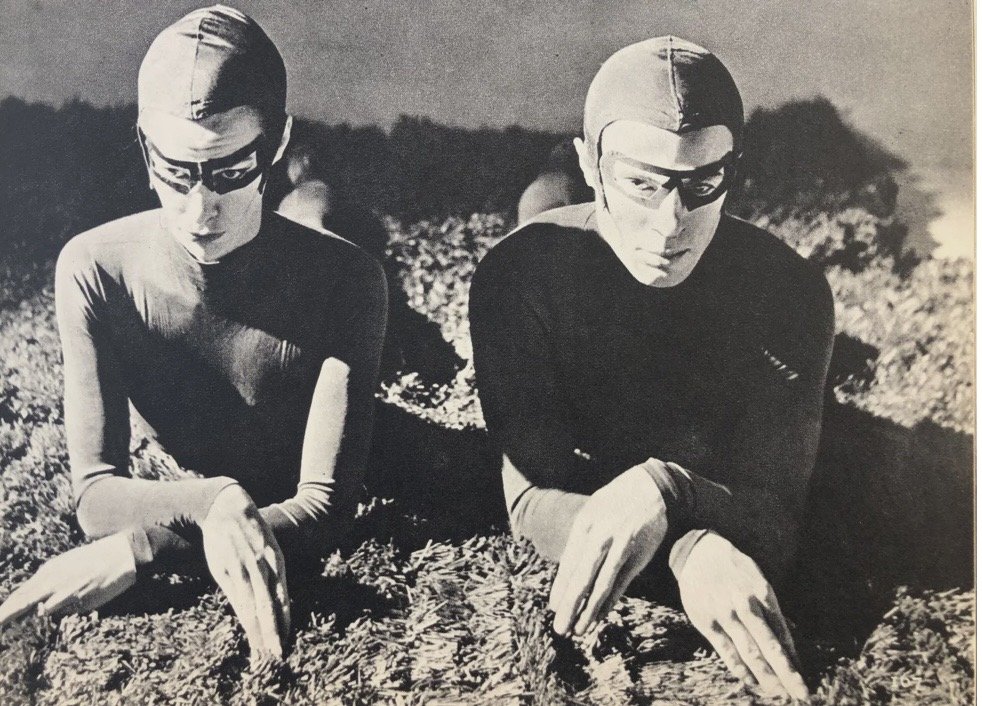
13, 14, 15, 16. These photographs show Clayden and Brian Shaw in the duets they created in Ashton’s “Daphnis and Chloë” as the two collating snakes.
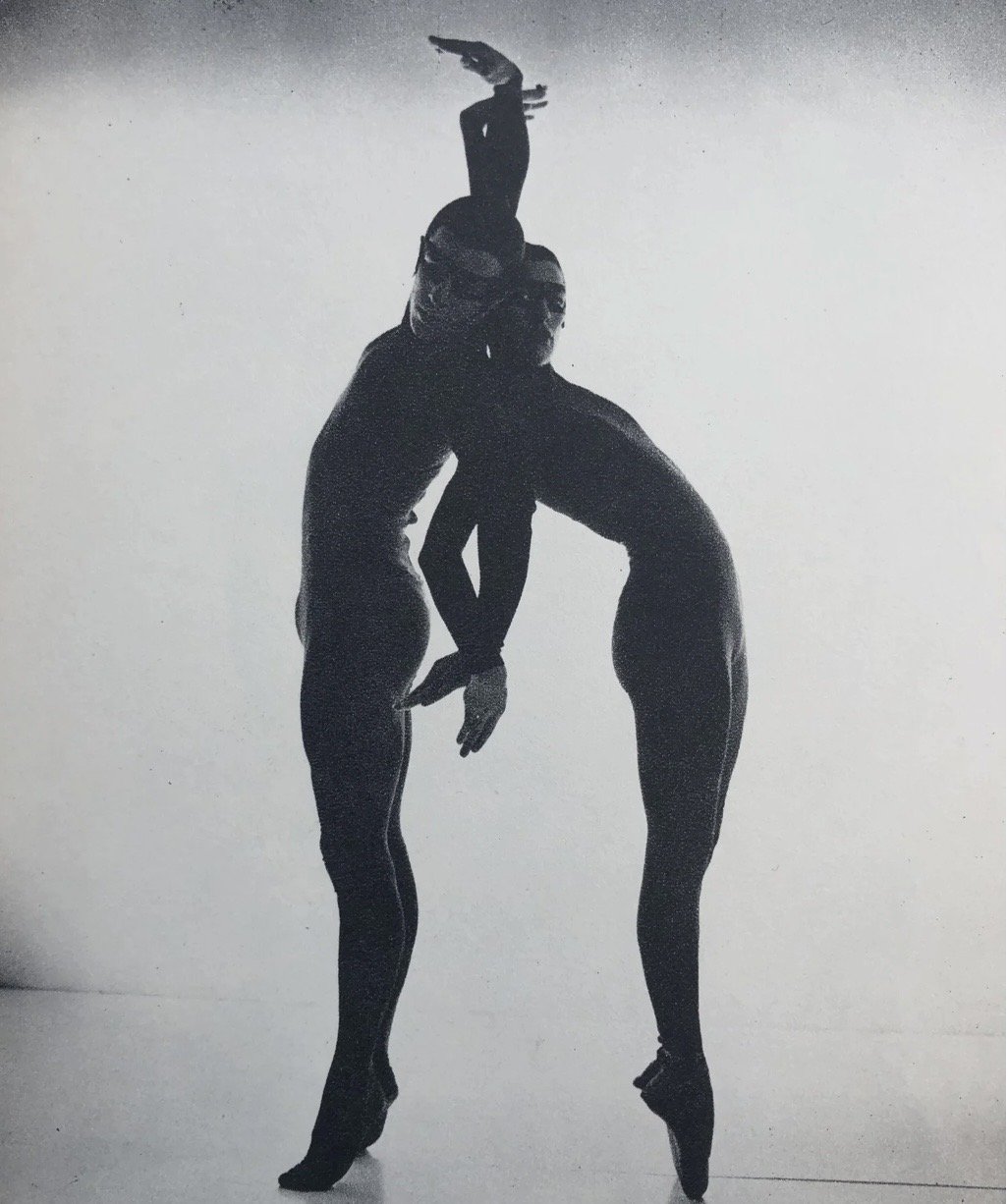
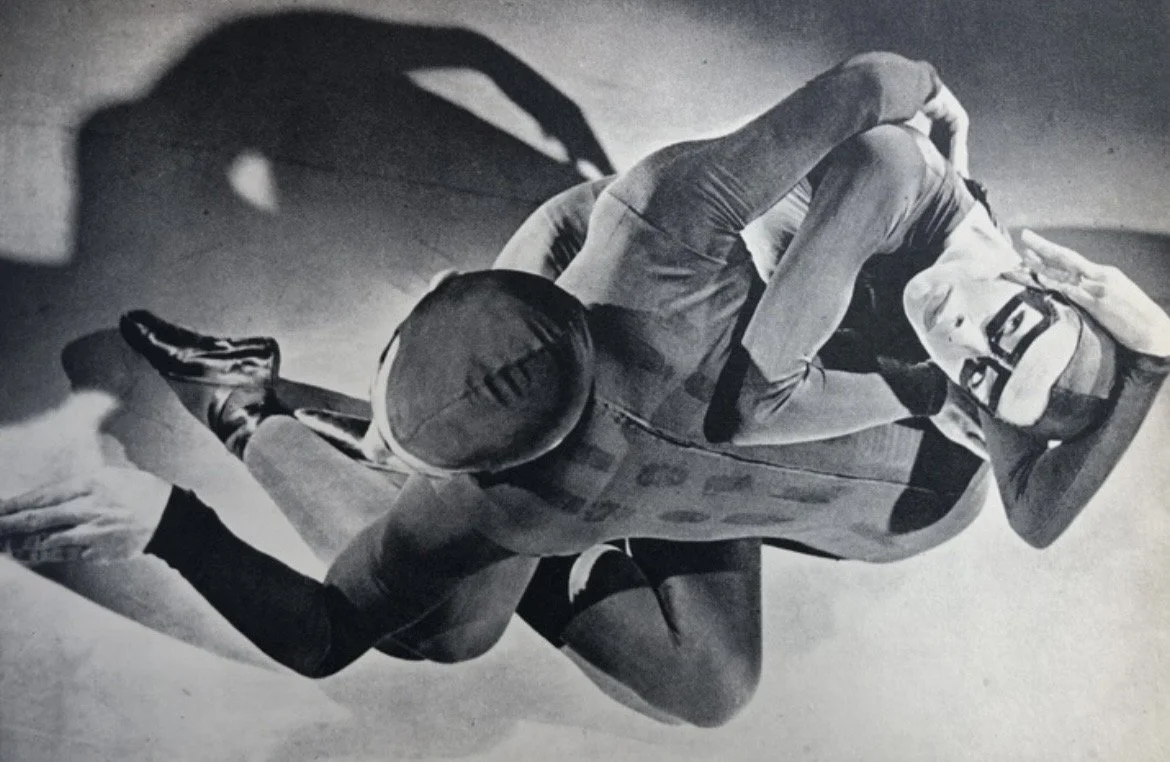
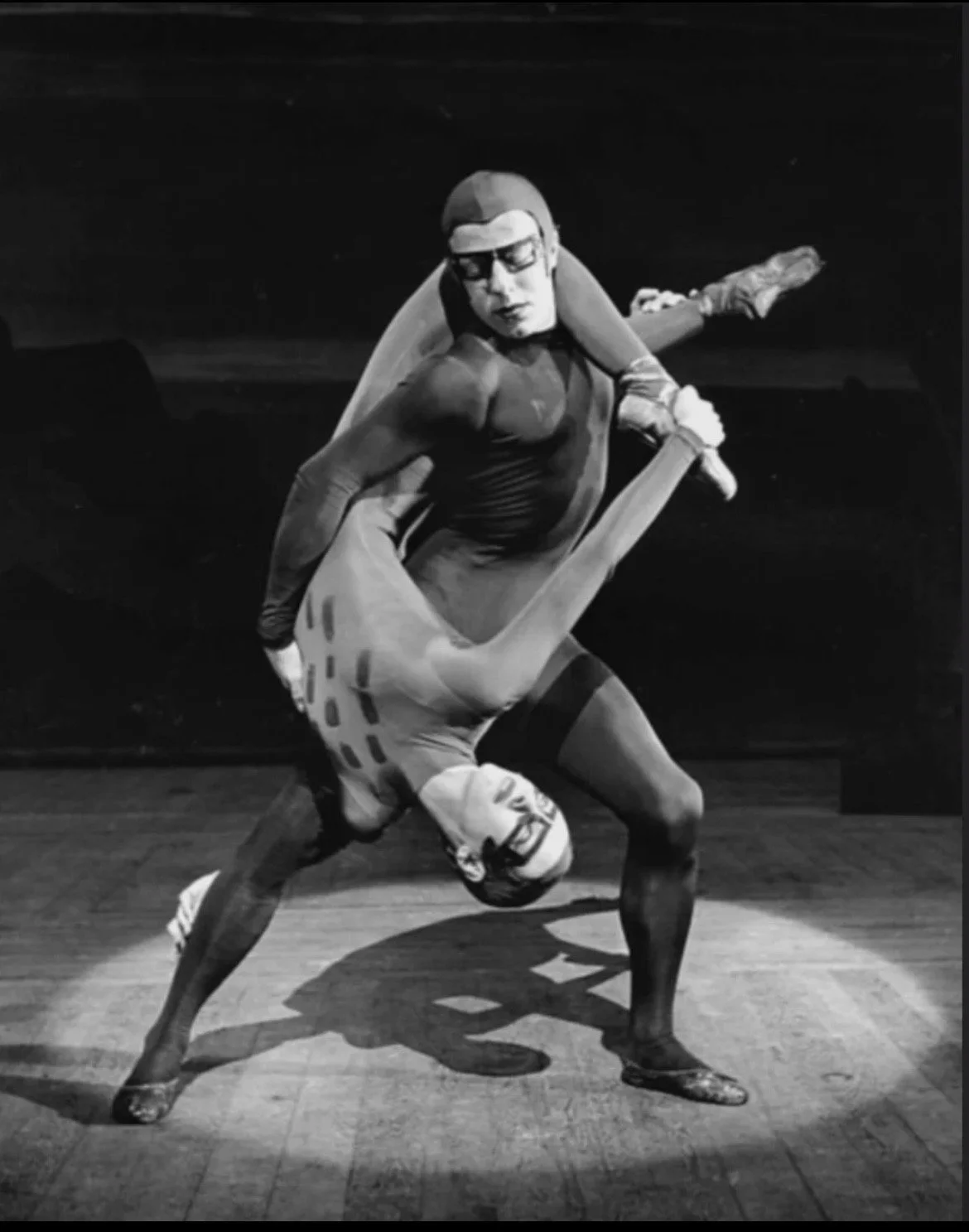
During Fonteyn’s 1952-1953 five-month absence from the stage with diphtheria, Ashton coached Clayden in the role of Giselle, a role he is not known to have coached before. She then danced the role four times at Covent Garden. After her 1956 departure from the colpany, Ashton wrote to her that her Giselle had been among the best he had seen.
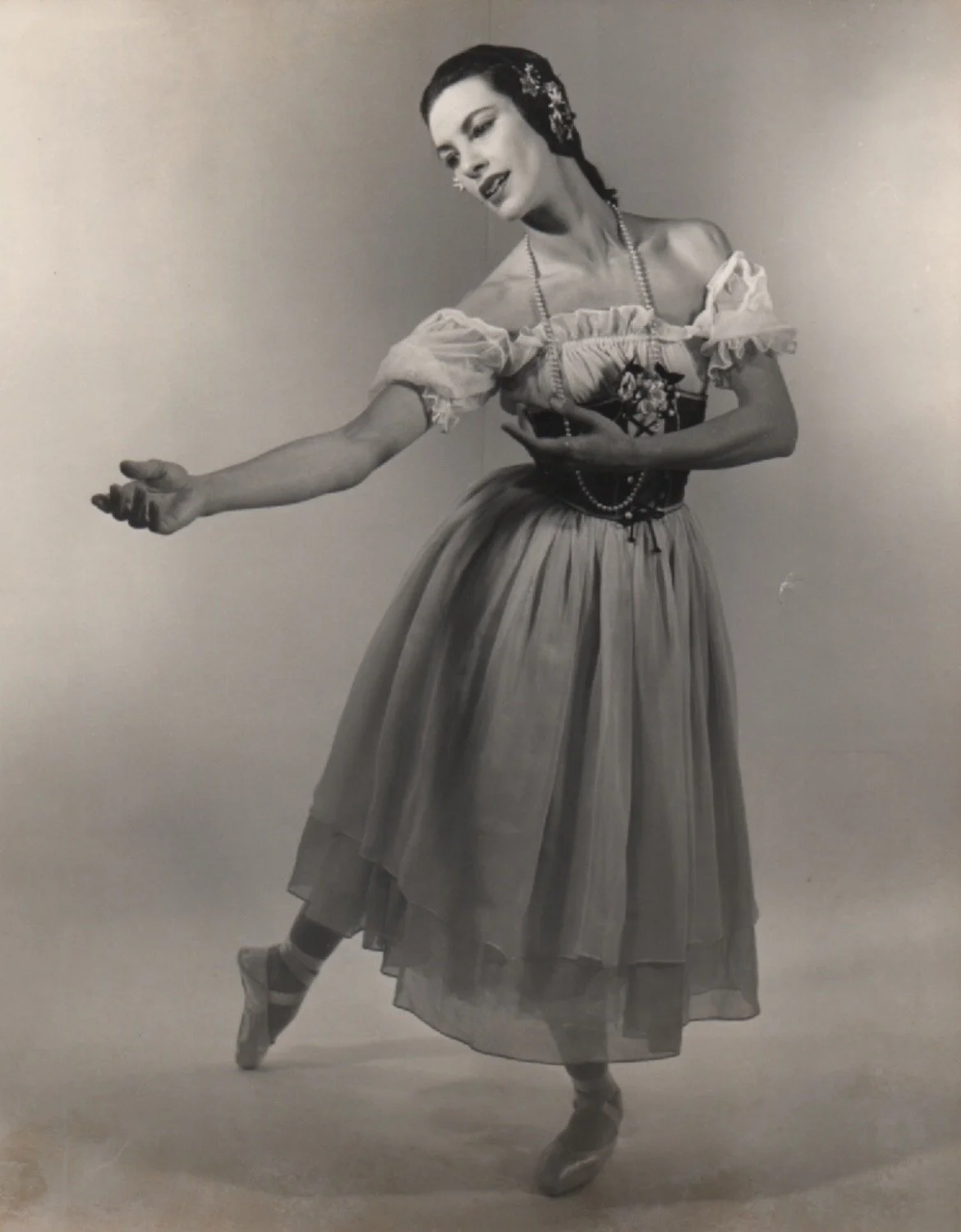
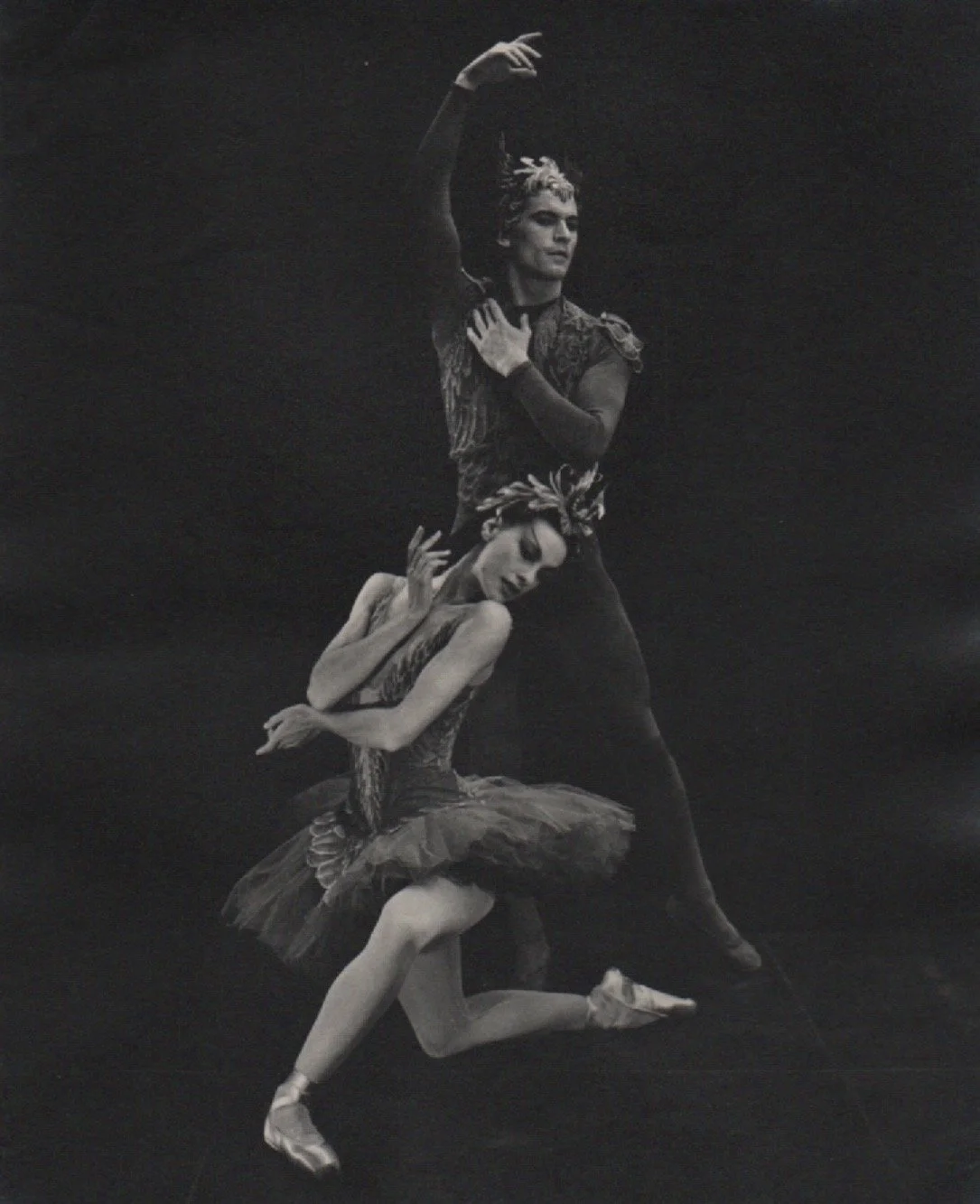
This photograph shows Michael Somes as the Bluebird and Clayden as Princess Florine - Ninette de Valois for decades misnamed them as “the Bluebirds” - in Act Three of “The Sleeping Beauty”. Clayden’s gift for imaginative poetic fantasy is particularly evident here.
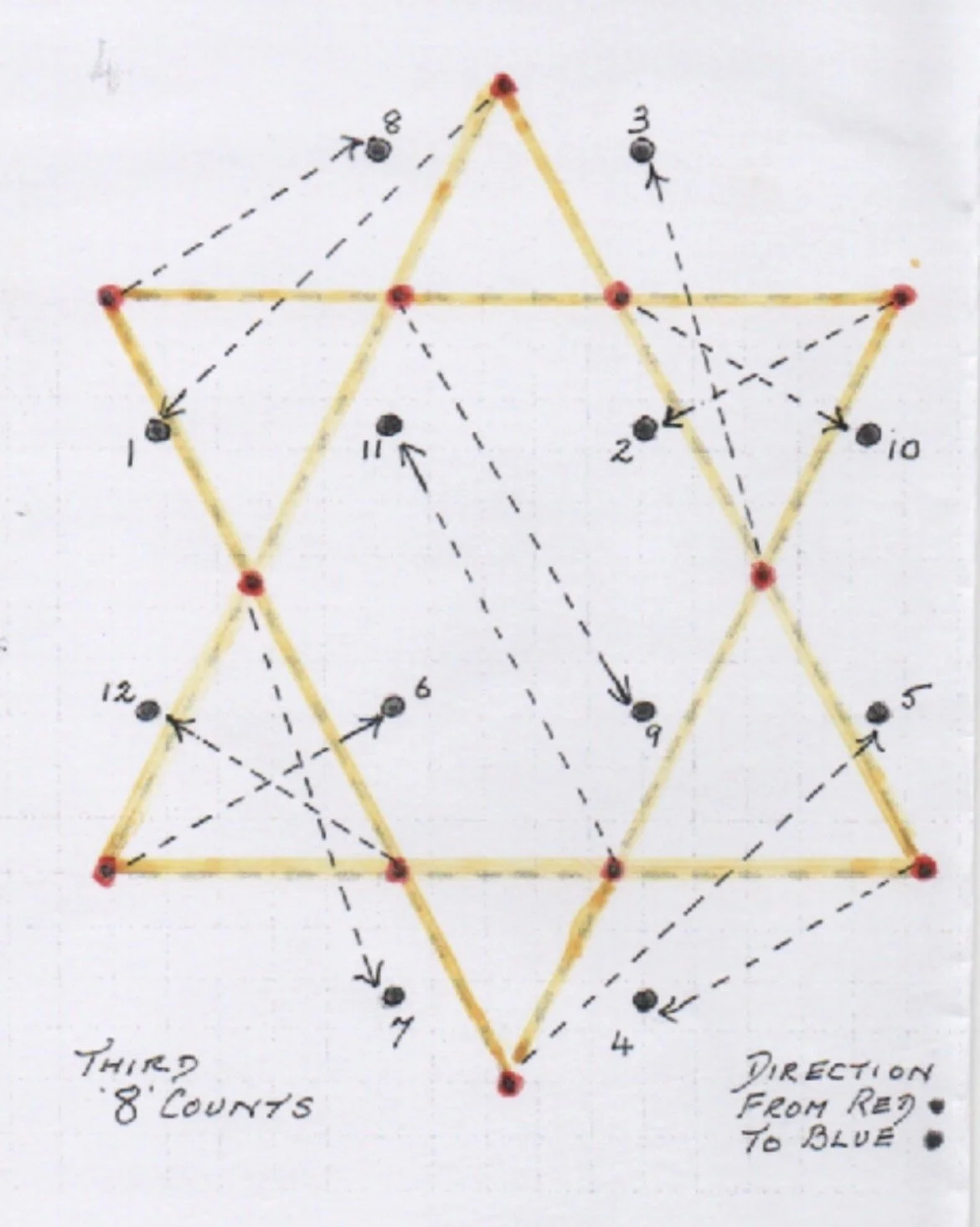
19, 20, 21. Clayden was one of the twelve women in the original corps de ballet in Ashton’s ”Scènes de ballet”. The complex rhythms of Stravinsky’s 1944 score - and, I believe, the reports of Balanchine’s use of asymmetrical stage patterning in his American choreography - inspired Ashton to study Euclid. He drove the corps dancers to successive changes of geometrical position, announcing “Q.E.D!” when he resolved his theorems. Clayden responded by making coloured drawings to show the geometries in the choreography. She gave copies to scholars in later years, but I am particularly grateful to her daughter Amanda Fisher for giving me coloured copies of these.